

Good day, Construction Pros. The labor market is officially in a holding pattern this week, but your copper and concrete costs are anything but calm.
- Crews are sitting tight. The construction quit rate just hit its lowest point in years and the story behind that number changes your staffing calculus.
- Ohio is about to get loud. A $1.8B AI data center broke permits this week and it is going to drain the Central Ohio labor pool for three years.
- Wages are locked in high. Construction ECI is running at 4.8% annually and rising, even as hiring slows. If your bid covers 2027, you need to read this week's numbers carefully.
Know someone who would like this? Pass it on.
📊 MARKET PULSE
LABOR PULSE
This is a transitional market: no longer the wild worker's market of 2023, but not yet a buyer's market for contractors either. Hiring is surgical, not aggressive. Workers at 2.2% quit rate are holding position, which means foremen and subs get something they haven't had in years: predictable crew stability. The catch is that rising unemployment (4.3%) reflects a skills mismatch, not a labor surplus. Specialized trades are still in short supply while generalist laborers wait on the bench. If you run a specialty trade crew, your people are still in demand and they know it.
THE TAKEAWAY
Steel is your friend right now, copper is not. For subs putting together multi-year bids on data centers or grid work, copper at $10,450/mt with a 2.4% monthly climb demands LME-linked escalation language in every contract. Nonres input prices are re-accelerating at 3.2% annualized after a quiet spring, and with ECI wage floors locked in above 4.8%, there is no relief in the labor cost column either. Price early, clause aggressively, or carry the risk.
🏗️ THE BIG MOVES
Walbridge Breaks Ground on $16B Saline Data Center for Oracle and OpenAI
The Saline Barn campus in Saline Township, Michigan broke ground June 1 under Walbridge, a $16B, 1.4 GW, 250-acre campus across three buildings of 550,000 sq ft each, backed by Related Digital, Oracle, OpenAI, and Blackstone Real Estate as part of the Stargate initiative. Approximately 700 union tradespeople are on-site right now under a first-in-the-nation PLA covering 14 signatory trade unions under the National Maintenance Agreement, making it one of the largest active union construction sites in the country. Electricians, pipefitters, ironworkers, and operating engineers in the Great Lakes region have a direct hiring pipeline to this site through their respective union halls, with completion targeted for end of 2027.
Bechtel and Kiewit Tapped for $33B Power Generation Megaproject in Ohio
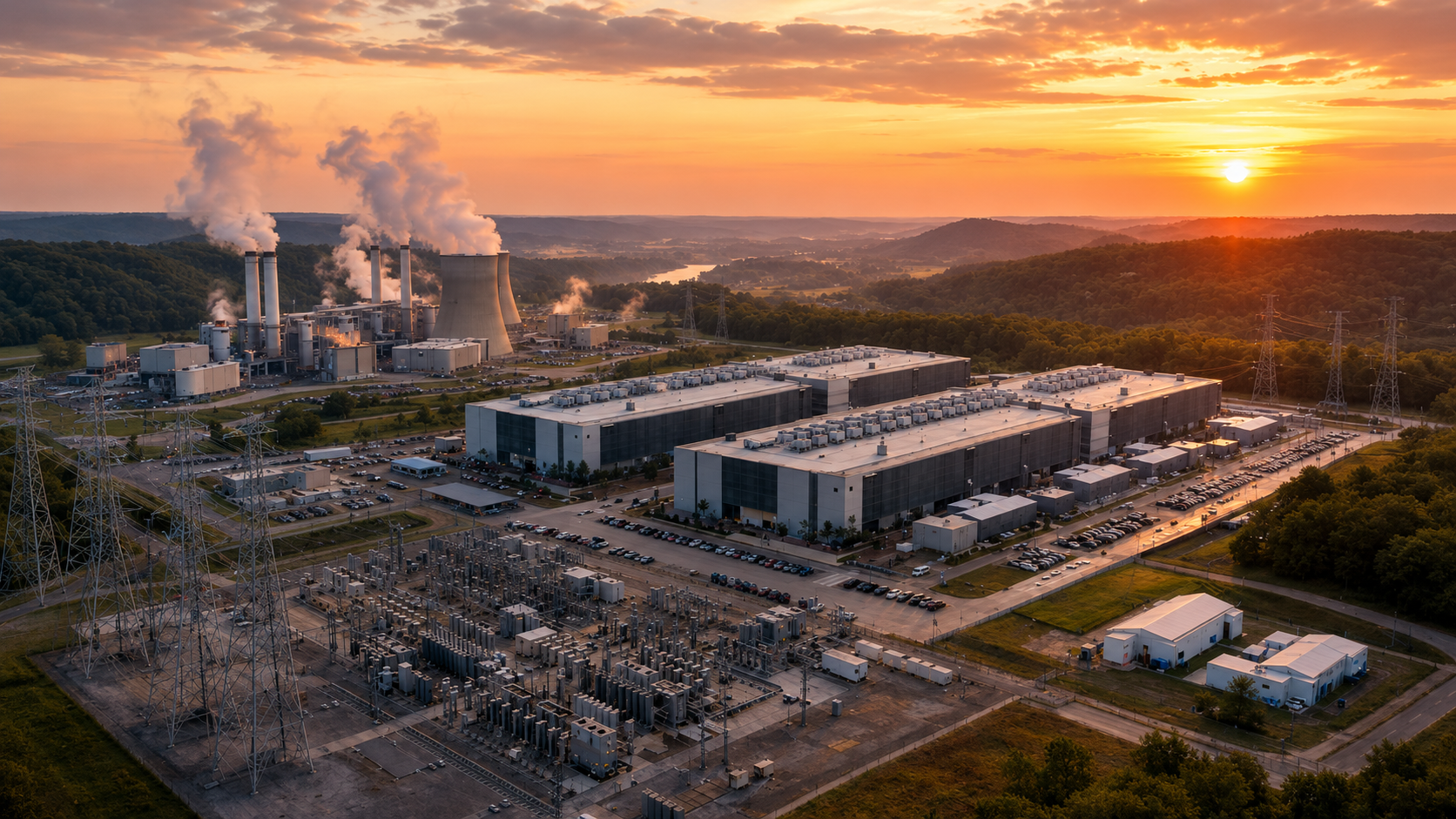
A 21-company Portsmouth Consortium anchored by SoftBank, AEP Ohio, and the U.S. Departments of Energy and Commerce has tapped Bechtel and Kiewit (ranked No. 2 and No. 3 on ENR's Top 400) to build 10 GW of new power generation, including 9.2 GW of natural gas, on a 3,700-acre former federal uranium enrichment site in Pike County, Ohio, tied to a $33B budget funded largely by Japanese institutional investment. Construction is expected to start this year, and the scope calls for large-scale gas turbine installation, high-voltage electrical, structural steel, and heavy civil concrete work across multiple units. This represents one of the largest dispatchable power buildouts in US history, producing a multi-year heavy industrial pipeline for pipefitters and high-voltage electrical trades in southern Ohio.
TSMC Closes Financing on $2.5B Arizona Fab Phase 2 Amid CHIPS Act Support
TSMC's Phase 2 expansion in Phoenix, managed by Austin Commercial, has closed its CHIPS Act-supported financing and started early site prep, bringing 2,200 peak workers to what is already the hottest heavy-industrial construction market in the country. The scope requires cleanroom specialists, heavy mechanical crews, process piping, and BAS low-voltage work, trades that are in extremely short supply across the Southwest. Subs already working Phoenix projects should expect wage pressure as top foremen weigh whether to jump to the TSMC site.
🔦 PROJECT SPOTLIGHT
ELECTRICAL MEPProject Aurelius: AWS's $1.8B Liquid-Cooled AI Data Center, New Albany, Ohio
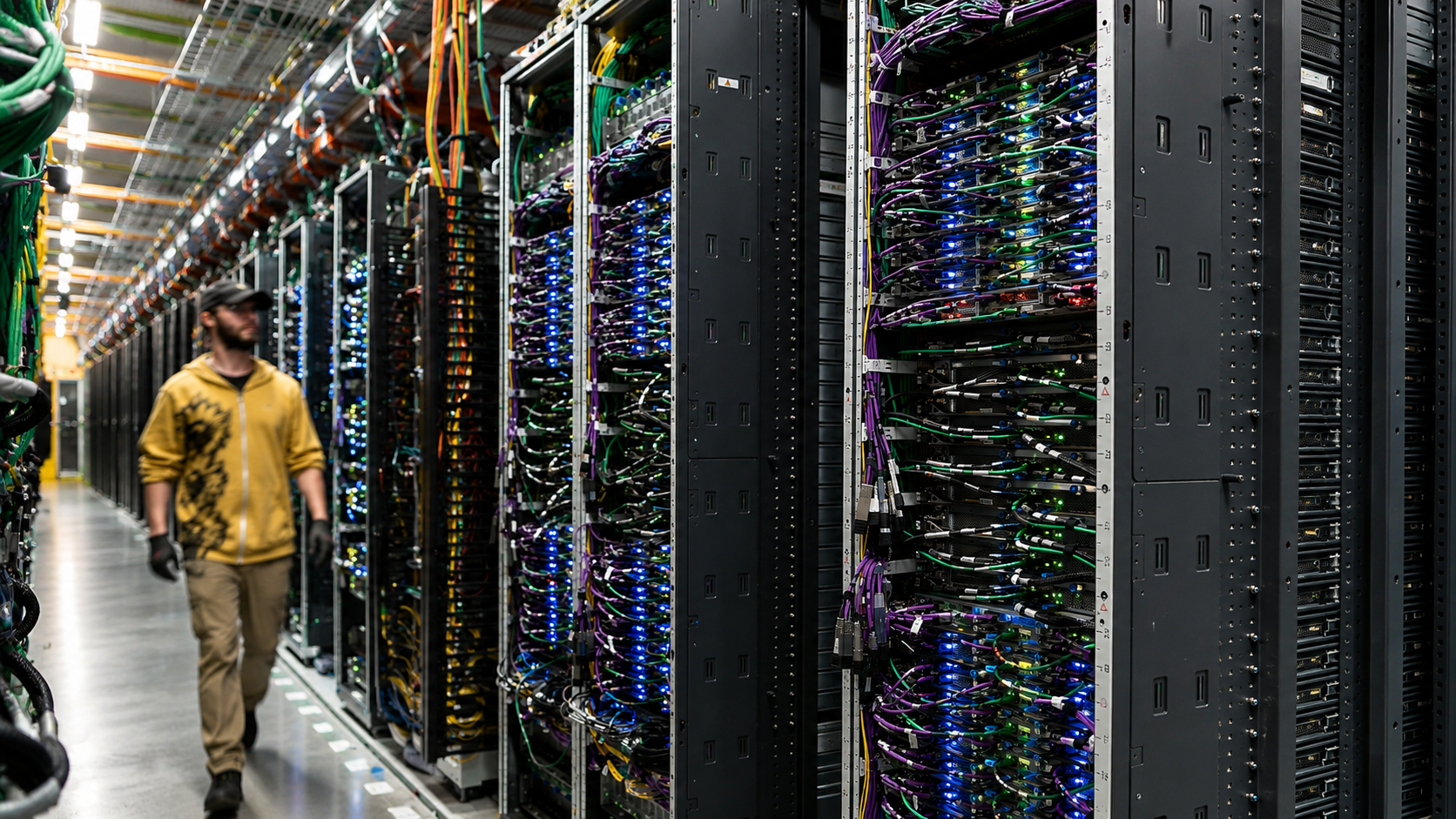
Project Aurelius is a $1.8B Amazon Web Services data center in New Albany, Ohio, permitted this week with a late-August 2026 groundbreaking, managed by Turner Construction at a peak workforce of 1,500 workers over a three-year build.
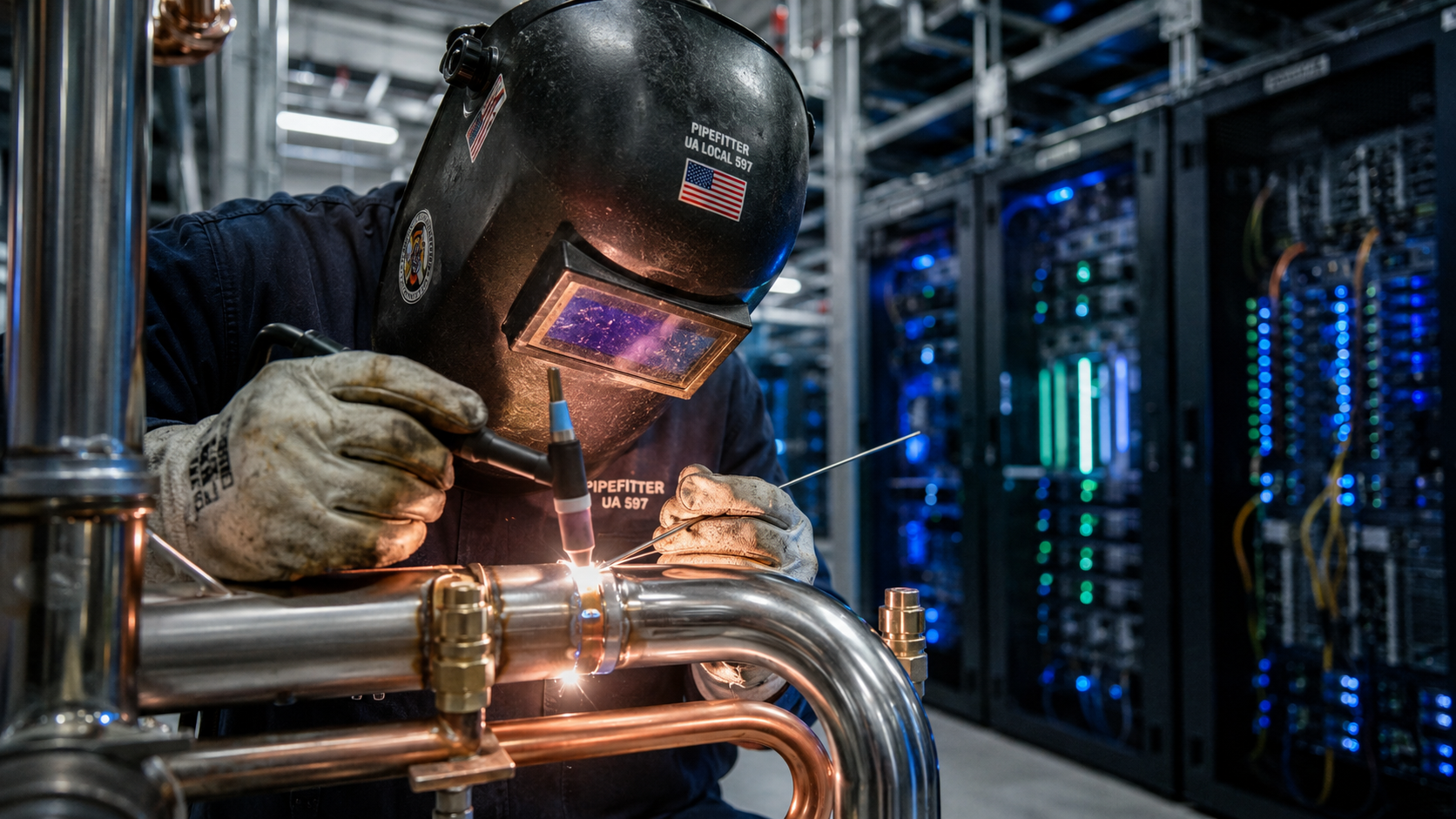
This is not a conventional data center build. Instead of the traditional air-handler-and-CRAC-unit approach, Aurelius is designed around direct-to-chip liquid cooling, meaning the mechanical scope includes miles of high-tolerance chilled water loops running directly into server racks rather than the ceiling plane. For UA-certified pipefitters and welders, the precision and volume of stainless and copper loop work on this site will be unlike any data center job they have previously run. IBEW crews will be pulling specialized high-voltage feeds at a scale that will strain the Central Ohio supply chain for the duration of the project.
WHY IT MATTERS
The shift to liquid cooling is not a one-site experiment. Every major AI hyperscaler is moving in this direction, and it is permanently changing the trade ratio on data center builds. Pipefitters and mechanical subs who get liquid-cooling experience now, on a job like Aurelius, are positioning themselves for a decade of specialist work that air-cooled data centers never offered. If your union hall is in the Great Lakes region and you are not already tracking this job's hiring schedule, you should be.
Permits were approved this week, groundbreaking is targeted for late August 2026, with site prep beginning immediately. Traveling tradespeople from Pennsylvania and Indiana will be required given the Central Ohio labor constraints this project creates.
⚡ QUICK HITS
IBEW Local 11 ratifies an 18% package. The Los Angeles local ratified a new master agreement this week securing an 18% wage and benefit increase over the next three years, a record settlement that sets a hard new benchmark for West Coast trades. Any sub bidding LA-basin infrastructure over this period needs to adjust labor escalation assumptions upward immediately, as competing halls will use this number in their next negotiations. IBEW
OSHA heat enforcement is live now. OSHA's National Emphasis Program on outdoor heat hazards took full enforcement effect this week, with random site inspections ramping up and fines for non-compliance tripling. Foremen need to start documenting water, rest, and shade breaks as of today, particularly on Southern and Western sites heading into peak summer heat. Construction Dive
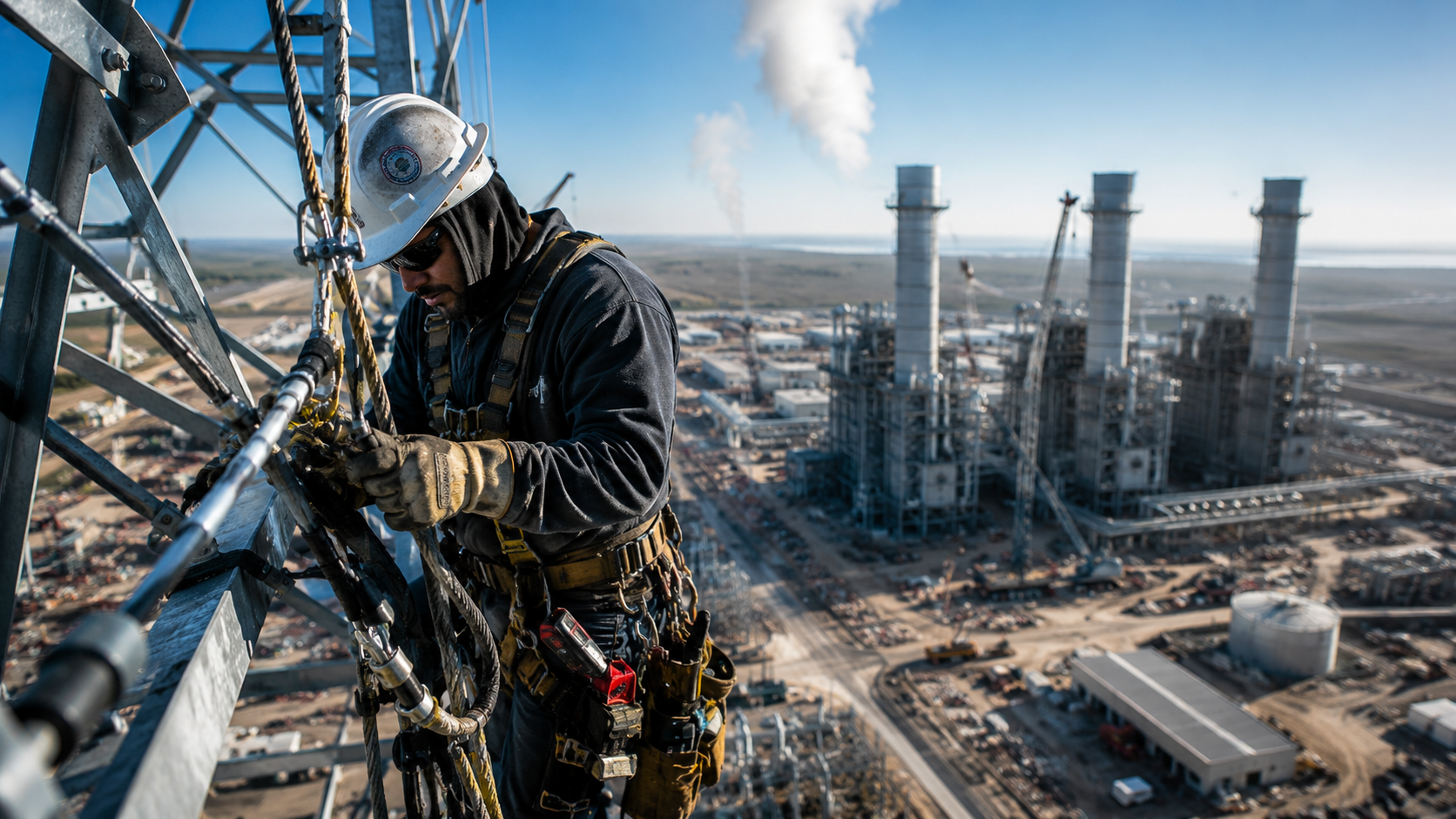
Midwest MEP shortage hits 88% of contractors. A new AGC workforce survey released Tuesday shows 88% of contractors in the Great Lakes region are reporting project delays due to a lack of skilled MEP workers. Traveling tradespeople from the Sun Belt or East Coast can essentially set their own terms in Ohio, Michigan, and Indiana right now, particularly with the Saline and Aurelius projects ramping simultaneously.
Meta and ABC launch a $115M trades pipeline. Meta announced a $115M workforce academy with ABC, CBRE, and the National Urban League on June 8, funding free 5-week training in electrical, mechanical, plumbing, welding, and fiber, leading to NCCER credentials and guaranteed job offers from participating contractors including Turner. The program pilots in Louisiana, Ohio, Indiana, and Texas in 2026, directly targeting the data center trade shortage that this week's JOLTS numbers confirm.
IRA prevailing wage audits tighten this week. The Department of Labor released clarified audit guidance for the Inflation Reduction Act's prevailing wage and apprenticeship requirements, affecting every contractor bidding green energy work. Non-union subs must immediately tighten payroll reporting or face retroactive tax credit clawbacks that could wipe out project-level margins. DOL / SAM.gov
🔢 ONE NUMBER
The construction quit rate, at its lowest point since before the 2022 frenzy, meaning the era of workers jumping across the street for an extra four dollars an hour is pausing.
🔧 THE TOOL
Use the ECI to anchor labor cost escalation in multi-year bids. This week's Employment Cost Index data confirms construction wages are climbing at 4.8% annually, outpacing the broader private sector by nearly a full point, and that gap is not noise. If you are an estimator or PM putting together a bid that covers 2027 or 2028 work, a flat labor rate assumption is a liability, not a number. Your GC knows the ECI. Your owner's rep knows the ECI. The question is whether your contract reflects it.
The fix is a labor cost escalation clause tied directly to the BLS ECI construction subindex, published quarterly. Draft language that sets your base labor rate using the current quarter's ECI release and adjusts annually at contract anniversary using the four-quarter trailing change. This is verifiable, third-party, government data, which makes it far easier to justify to an owner than a hand-waving "market conditions" clause. In a 36-month data center or infrastructure build, a 4.8% annual compounding labor cost on a $10M labor budget is $1.4M of exposure over the project life. That number either goes in the contract or it comes out of your margin.
📚 FURTHER READING
ABC: Construction Job Openings Drift Lower as Industry Normalizes - The definitive monthly breakdown of what this week's BLS numbers actually mean for contractors staffing jobs today.
ENR: The Liquid Cooling Revolution: How AI is Redrawing the MEP Subcontract - Why pipefitters are the new kings of the AI infrastructure buildout and exactly what that means for scope and crew composition.
The labor market is finding its floor and the megaproject pipeline is building a ceiling above it, which means the skilled trades gap is not going away anytime soon. Are you seeing the liquid cooling shift in your market yet? Hit reply and let us know. 🏗️
Know someone who would like this? Pass it on.