

INAUGURAL ISSUE
Welcome to Project Observer.
Every Thursday, this newsletter cuts through the noise to deliver the numbers, the projects, and the moves that matter to the people actually building this country. No press releases. No marketing language. Field-grade intelligence, delivered to electricians, pipefitters, HVAC techs, concrete crews, foremen, supers, PMs, and estimators.
Good day, Construction Pros. Power is now the bottleneck, and the biggest projects in the country are being won or lost on who controls it.
- TSMC goes to $165B: The Arizona semiconductor campus just tripled in scope. Southwest trades are locked in for a decade.
- Oracle skips the grid: New Mexico's Project Jupiter is building its own power plant on-site with no utility line and no multi-year wait.
- Copper breaks $13,600: It jumped 8.4% in 30 days. Check the Market Pulse before you price anything electrical.
Know someone who would like this? Pass it on.
📊 MARKET PULSE
LABOR PULSE
This is a seller's market for specialized skilled trades and a market approaching equilibrium for general labor. Contractors are in "crew preservation" mode: the 1.9% quit rate tells you workers are prioritizing stability over mobility, and hiring rebounded in April after a historically stagnant Q1 averaging 3.1%. For a foreman trying to staff a new project, street labor is effectively gone. Journeymen with electrical and MEP certifications for cooling-intensive infrastructure must be recruited through training programs or offered a significant premium. The hard structural fact, per ABC Chief Economist Anirban Basu: more than half of the 349,000 workers the industry needs this year are replacements for retirees, not growth hires.
THE TAKEAWAY
Copper at $14,097/mt and steel HRC at $1,051/ton, both supply-constrained by tariffs rather than demand, make any fixed-price bid with significant copper or steel content a liability without a PPI-linked escalation clause. The Turner Cost Index at 1530 confirms construction costs are still climbing. Lock procurement now before planned summer mill outages tighten domestic steel availability through Q3.
🏗️ THE BIG MOVES
TSMC Raises Arizona to $165 Billion
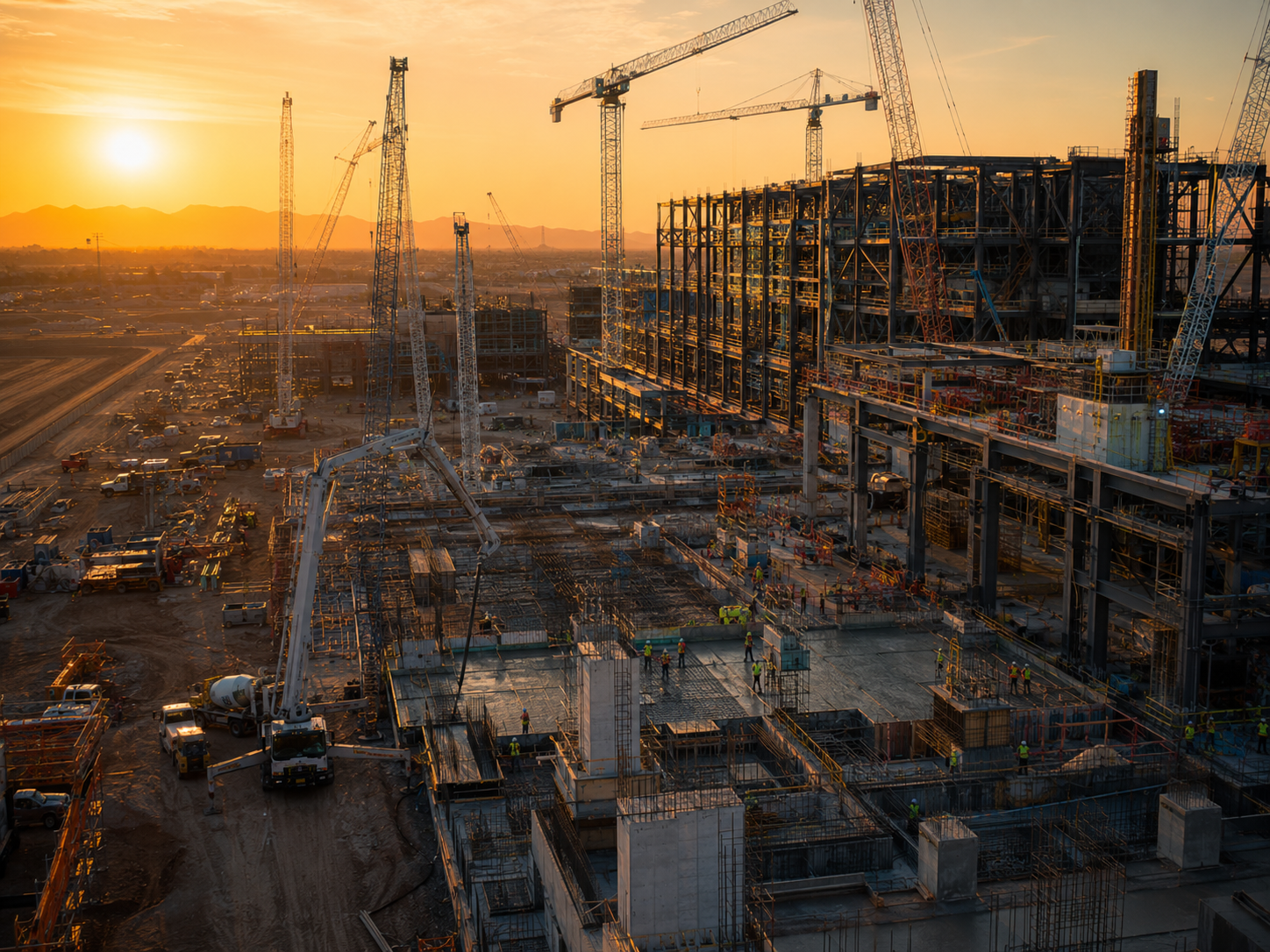
TSMC has expanded its Phoenix, Arizona investment from $65 billion to $165 billion, with the campus now covering three fabrication plants, two advanced packaging facilities, and a dedicated R&D center funded by a mix of private equity and CHIPS Act grants. Cleanroom-qualified pipefitters for high-purity process systems and vibration-isolation concrete specialists are seeing the heaviest demand, with the campus projected to sustain 40,000 jobs across the Southwest. Fab 1 is in production, Fab 2 is under active construction, and Fab 3 is in planning, which means this site operates as a continuous work pipeline well into the early 2030s.
Joliet Approves $20B Data Campus at 1.8 GW
PowerHouse Data Centers and Hillwood received Joliet City Council approval for a 795-acre, 24-building technology campus in Illinois, representing one of the largest data center developments ever permitted in the Midwest at a $20 billion total investment. The 1.8 GW power capacity equals the output of several nuclear reactors, which means on-site substation and switchgear construction is a primary scope item on this project, not a utility-company handoff. Electricians experienced in high-voltage infrastructure and mechanical crews versed in large-scale industrial cooling systems will find years of steady work within 45 miles of downtown Chicago.
Stellantis Commits $13B to Retool Five U.S. Plants
Stellantis has committed $13 billion to expand U.S. manufacturing output by 50% across five plants in Illinois, Indiana, and Michigan, with the Indiana facility beginning new engine production in 2026 and the Belvidere, Illinois plant reopening in 2027. The scope is millwright-heavy: legacy automotive production lines come out, robotic welding and assembly systems go in, and factory utilities require full replumbing for hybrid and EV production. For trades in the Rust Belt corridor, this is a multi-year pipeline that doesn't depend on utility grid approvals or semiconductor market cycles.
🔦 PROJECT SPOTLIGHT
DATA/TECHELECTRICALMEPOracle Project Jupiter, New Mexico
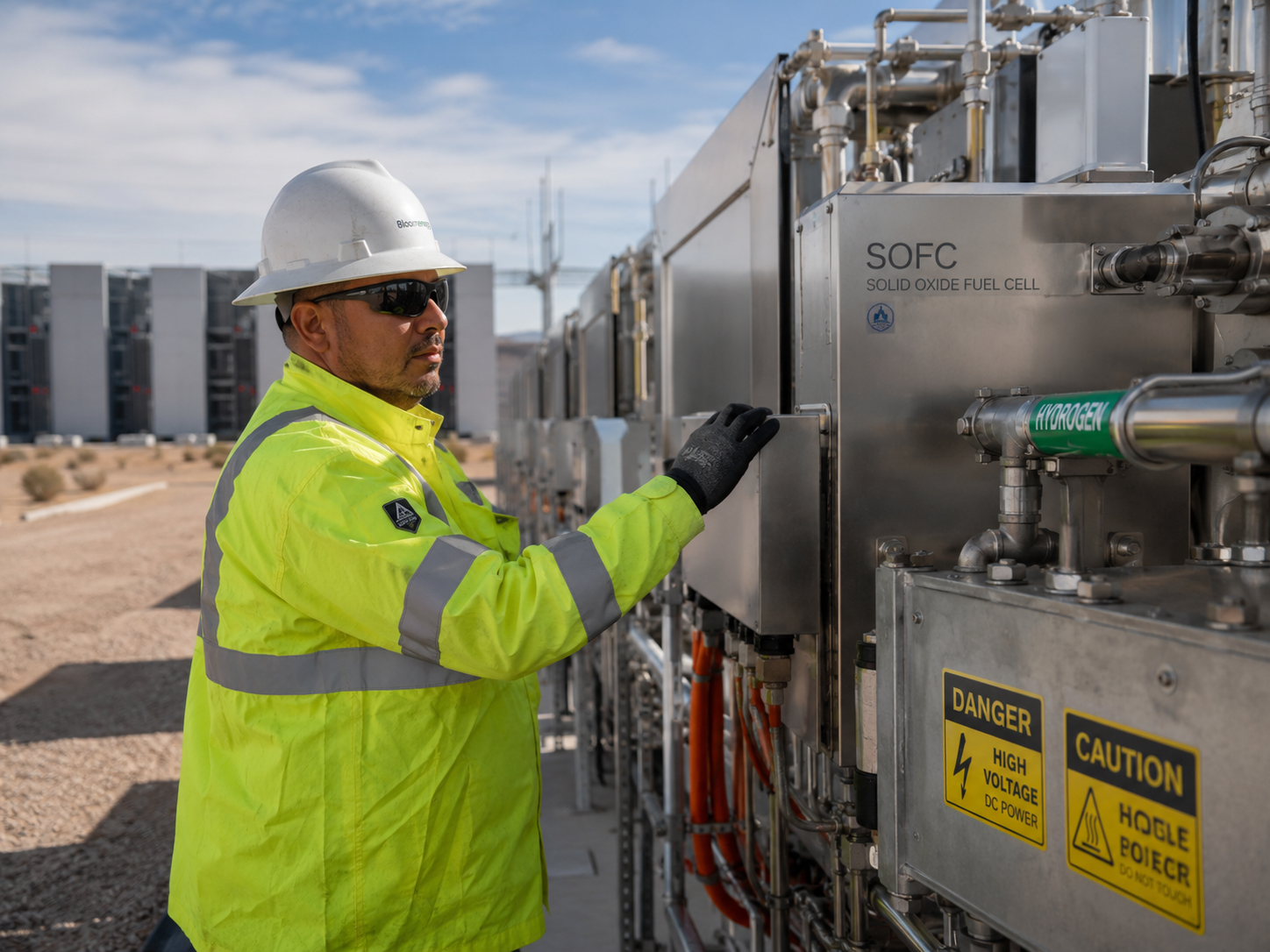
Oracle's Project Jupiter is a planned hyperscale AI data center in New Mexico, purpose-built for high-density compute workloads and designed around a strategy that eliminates the utility grid connection entirely.
Instead of waiting years for a utility hookup, Oracle is building on-site power using Solid Oxide Fuel Cell (SOFC) arrays, a model that demands pipefitters certified in hydrogen or natural gas fuel delivery and electricians trained in high-voltage direct current (HVDC) power conversion systems. High-density AI chips generate far more heat than traditional servers, which eliminates standard air-based HVAC as an option: the mechanical scope runs to advanced liquid cooling loops, making this project significantly more complex than anything built from a standard commercial shell.
WHY IT MATTERS
Roughly 50% of U.S. data centers planned for 2026 are delayed because they cannot get a grid connection. Oracle's on-site fuel-cell model cuts that dependency entirely, and if it delivers on schedule, every developer with a stalled project will be asking the same question: why are we still waiting for the utility? Workers who know SOFC systems, HVDC conversion, and liquid cooling loops are entering a market where demand is vastly outpacing supply.
The project is in active planning, with Oracle tracking initial delivery targets as part of its broader North American infrastructure buildout through 2026 and 2027.
⚡ QUICK HITS
Intel delays Ohio to 2030-2031. Following a $10 billion operating loss, Intel pushed its New Albany, Ohio "Silicon Heartland" fab timeline by five years, removing one of the largest anticipated Midwest industrial construction pipelines from the near-term schedule.
Skanska JV lands a $1.06B Boston bridge replacement. The MBTA awarded a Skanska-led joint venture the contract to replace a critical rail bridge, making it one of the largest public infrastructure awards in New England this year and a signal that public work is holding strong where private developers are slowing down.
Steel tariffs double to 50%, effective June 4. Section 232 tariffs on steel and aluminum have effectively doubled, and the AGC is warning upward pressure on iron and steel mill products will hold through end of 2026. If your current bids don't account for it, your margins don't either.
Turner launched an AI safety tool for industrial sites. The firm's new predictive platform uses real-time data to flag high-risk zones before incidents happen. Expect competing GCs to move fast on this once it proves out at scale.
Chicago MEP trades are stretched thin. The Midwest data center boom is competing directly with corporate office fit-outs for skilled mechanical and electrical labor, pushing wages up and schedule risk higher for GCs trying to hold project timelines.
🔢 ONE NUMBER
The total scope of TSMC's Arizona campus: the largest foreign direct investment in U.S. history and a 10-year pipeline for every trade in the Southwest.
🔧 THE TOOL
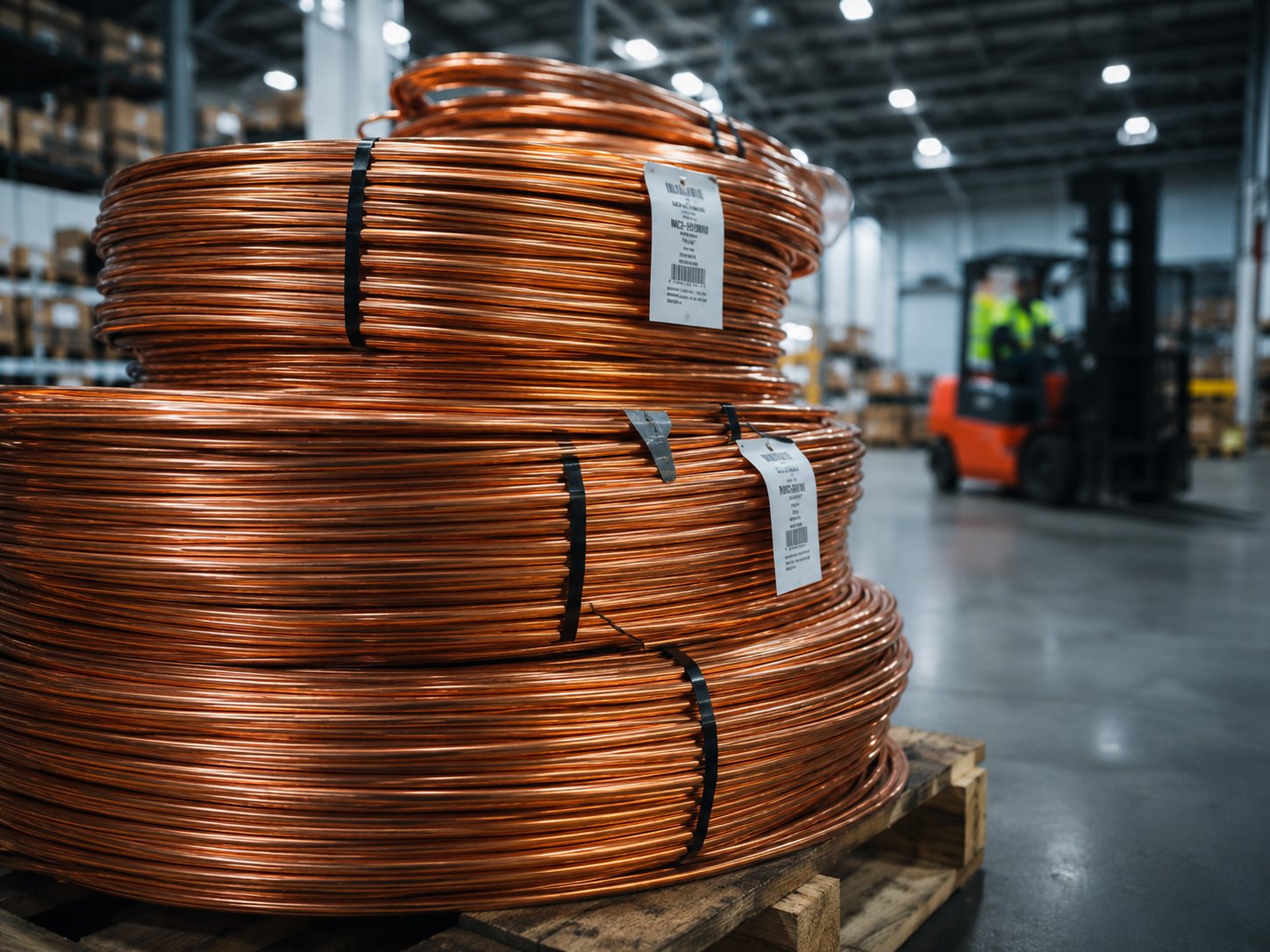
With copper up 8.4% in 30 days and steel tariffs now sitting at 50%, holding a fixed material price for two weeks is a fast way to work for free. The fix is a PPI-linked escalation clause: instead of a flat material number, you tie the line item in your contract to a specific Bureau of Labor Statistics Producer Price Index code. Electricals reference Code 102502 (Copper Wire and Cable); structural crews use Code 101704 (Steel Mill Products). Write in a provision that if that index moves more than 3% between your bid date and your material procurement date, the contract price adjusts accordingly. Your GC may push back, but the data is public, the logic is airtight, and the alternative is absorbing a six-figure material swing on a job you already won. This is the same protection your wire distributor and steel fabricator are already billing into their quotes to you.
📚 FURTHER READING
Construction Dive: Data centers remain 'largest driver behind growth' in construction planning - why planning volume is up 6.2% while actual groundbreakings are stalling at the grid.
ENR: Construction Material Prices Continued to Rise in February - the 12.6% annualized inflation breakdown every estimator should read before their next bid.
Power is the new permit, and the crews who know how to build it are about to become the most valuable people on any site. Are on-site microgrids and fuel-cell systems showing up in your market yet? ⚒️
Know someone who would like this? Pass it on.